
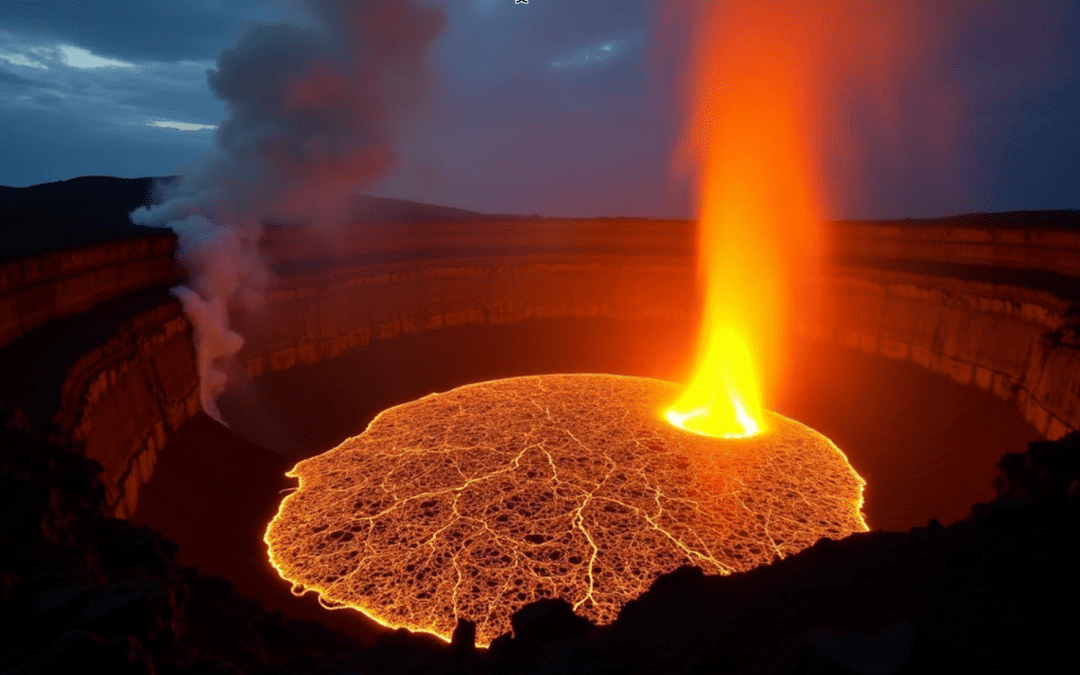
How often does Kilauea erupt? More frequently than most visitors realize. Kilauea is one of the most active volcanic sites on Earth. The current eruption began in 2025. As of February 2026 the spectacular eruptions at Volcanoes National Park are still happening regularly.
This piece walks you through everything you need to witness an active eruption at Kilauea volcano in Hawaii. We’ll cover where Kilauea volcano is located on the Big Island and how to track immediate activity using webcams. You’ll also learn the best strategies to plan your visit and maximize your chances of seeing flowing lava during your trip. Make sure you book your room at the Kilauea Hospitality Group. We have great lodging just minutes from the Volcano.
Kilauea Volcano Facts: Location, Activity, and Eruption History
Where Is Kilauea Volcano Located?
Kilauea sits along the southeastern shore of Hawaii Island, also known as the Big Island. This shield volcano appears as a bulge on Mauna Loa’s southeastern flank. Scientists believed it was merely a satellite of its larger neighbor for years. Research now confirms Kilauea operates with its own magma plumbing system that extends more than 60 km deep into the Earth. The volcano features a large summit caldera named Kaluapele and two rift zones that radiate outward: one stretches 125 km east and another extends 35 km west.
Kilauea’s Reputation as One of the World’s Most Active Volcanoes
Kilauea ranks among the world’s most active volcanoes. Kilauea has erupted dozens of times since 1952. Eruptive activity remained almost continuous along the volcano’s East Rift Zone from 1983 to 2018, centered at Puʻuʻōʻō and Kupaianaha vents. Kilauea has experienced only brief periods of rest during recorded history and covered almost 90% of its surface in lava flows within the last 1,000 years.
Major Eruptions from 2018 to Present
The 2018 eruption stands as the most destructive volcanic event in Hawaii in 200 years. After 35 years of continuous activity ended on the East Rift Zone, magma moved into the Lower East Rift Zone where lava flows destroyed 716 dwellings. The eruption caused up to USD 1.00 billion in economic losses. The summit lava lake drained at the same time and Halemaʻumaʻu crater collapsed. The crater expanded from 280 feet deep to 1,600 feet deep.
A water lake formed in 2019 in the collapsed crater after a quiet period. A new eruption boiled off this ten-story deep lake when lava re-entered Halemaʻumaʻu on December 20, 2020. Several summit eruptions occurred from 2021 to 2023 and refilled the lava lake over time.
The 2024-2026 Summit Eruption Pattern
Kilauea entered a unique phase of episodic activity starting December 23, 2024. The eruption has produced 42 episodes through February 2026, with eruptive episodes that last less than 12 hours. These episodes alternate with pauses that range from several days to over two weeks. Episode 35 generated the highest lava fountains observed and reached heights of 1,500 feet (479 meters). This episodic pattern results from volatile-rich magma that causes it to rise and fizz as it erupts, much like a shaken bottle of soda.
Current Eruption Status and How to Track Activity
Is Kilauea Erupting Right Now in 2026?
Kilauea volcano’s current eruption status changes often. Episode 42 ended on February 15, 2026, at 11:38 p.m. HST after nearly 10 hours of continuous fountaining. The volcano remains at WATCH alert level with an ORANGE aviation color code. Both the north and south vents emit strong degassing plumes during this pause. Seismic tremor continues with bursts every 5-10 minutes.
Preliminary models suggest Episode 43 will likely begin between March 6 and March 16, 2026. Scientists track inflationary tilt to forecast the next episode. The UWD tiltmeter has recorded nearly 15 microradians of inflationary tilt since Episode 42 ended. Then another fountaining episode appears probable based on this inflation pattern.
Using Live Webcams to Monitor Halemaʻumaʻu Crater
Three webcams provide continuous views of Halemaʻumaʻu crater. V1cam captures the west crater view and V2cam shows the east viewpoint. Thermal webcams record heat rather than light and offer better visibility through volcanic gas. These cameras operate 24/7 and record activity even during nighttime hours when lava glow becomes most visible.
How Scientists Predict Eruption Episodes
Summit tiltmeters show inflationary tilt as pressure builds beneath the surface before each episode. Tiltmeters switch to deflationary tilt and mark the episode start at the time higher lava fountains begin erupting. Scientists also monitor glow from vents and seismic tremor patterns. This combination of data allows Hawaiian Volcano Observatory staff to publish probability windows for future episodes.
Signing Up for USGS Alerts and Updates
The USGS Volcano Notification Service provides daily Kilauea eruption updates and status reports during ongoing events. You can select specific notification types and choose which volcanoes to monitor through their system.
Your Complete Guide to Viewing Kilauea Eruptions
Daytime vs Nighttime Viewing Experiences
Lava viewing transforms after dark. The reddish-orange glow fills the sky above Halemaʻumaʻu at night and reflects into gas plumes while illuminating jagged crater walls scarred from the 2018 collapse. Daytime visits reveal volcanic gas billowing from vents and provide clear views of the whole caldera, though sunlight washes out the lava’s glow. We recommend arriving before sunrise to skip crowds that pack viewpoints between 6 pm and 9 pm. The hour or two before dawn offers the best combination of glow and near-empty overlooks.
Accessing Hawaii Volcanoes National Park When Eruptions Occur
Hawaii Volcanoes National Park remains open 24 hours daily. Best eruption viewpoints include Uēkahuna, Kīlauea Overlook, Wahinekapu (Steaming Bluff), Kupinaʻi Pali (Waldron Ledge), and Keanakākoʻi. Keanakākoʻi Overlook provides the closest public viewing of active lava. You need to walk one mile from Devastation Trail parking area. Expect extended waits at entrance stations and crowded trails with limited parking from 10 am to 3 pm when eruptions happen.
Safety Guidelines and Closed Areas
Stay out of closed areas where rope lines and hazard signs protect you from dangerous volcanic fumes, unexpected rim collapses, and hidden cracks. Volcanic gas poses particular risks to those with respiratory issues, young children, and pregnant women. Some closed areas maintain poor air quality as trade winds transport sulfur dioxide southwest.
Photography Tips to Capture Lava Glow
A sturdy tripod is a must for lava photography. Use longer exposures to capture glow on steam clouds, while shorter exposures work better to get detailed lava streams. Lenses in the 24-200mm range work well from land. Avoid overexposing bright lava highlights by watching your histogram.
Alternative Viewing Options: Helicopter Tours
Helicopter tours depart from both Hilo and Kona, with Hilo flights being shorter and more affordable. Tours provide aerial views of otherwise inaccessible areas and maintain safe distances while offering breathtaking views. Kilauea has erupted over 30 times in the last 60 years, making aerial tours a reliable option to witness volcanic activity.
Maximizing Your Chances of Seeing Active Lava
Best Months to Visit for Eruption Activity
You increase your odds of witnessing lava if you time your visit right. Volcanic eruptions tend to happen in episodes over a long period at the time they are active. April, May, September, and October provide optimal conditions with drier weather and lower crowds. The wet season runs from November through March and brings more rainfall. Summer months attract the largest crowds.
How Long Do Kilauea Eruptions Last?
Summit eruptions have lasted from about two weeks to over a year at Kilauea. The current episodic eruption shows different patterns. Individual episodes last from 8 hours to 8 days, though most last 1 day or less. Pauses between episodes range from less than 24 hours to 21 days.
What to Do If There’s No Active Eruption During Your Visit
The park remains worth a visit even without active lava flow. You can explore volcanic craters and hike across solidified lava fields. The unique geological features that make this landscape remarkable are still there to experience.
Staying Near the Park for Quick Access
Kilauea Hospitality Group features 3 different lodging options in a cool rain forest setting. Kilauea Hospitality Group is just minutes from Volcanoes National Park. Volcano House provides the only lodging inside the park. The property has 33 historic guest rooms. It also manages 10 camper cabins at Nāmakanipaio Campground. Nearby Volcano Village, Pahoa, and Ka’u each sit just a short drive from the park. Hilo is just one hour by car.
Conclusion
Kilauea’s frequent eruptions make it one of the most available active volcanoes you can witness. Now that we’ve covered the tracking tools and timing strategies, use what you’ve learned here and plan your visit with confidence.
The park offers volcanic landscapes worth learning about even if you arrive during a pause between episodes. Sign up to get USGS alerts, monitor the webcams, and time your trip during shoulder seasons to get the best experience with fewer crowds.