
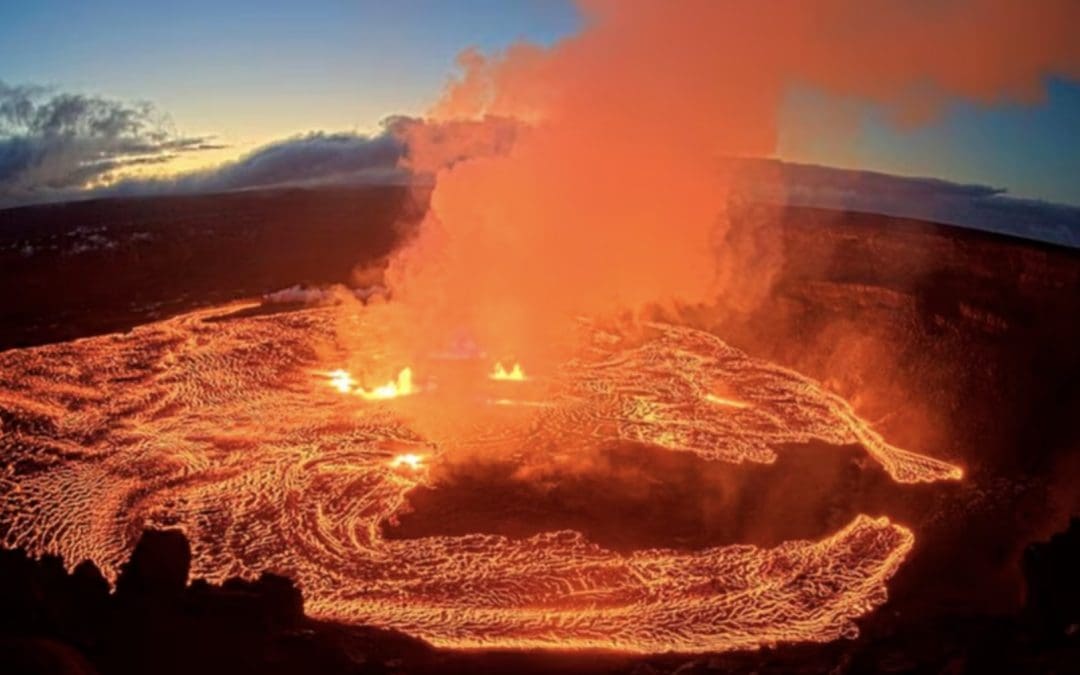
Steam rises from ancient craters. Molten earth tells stories millions of years in the making. Two volcanic giants, Kilauea and Mauna Loa, pulse with life beneath your feet on Hawaii’s Big Island, creating one of nature’s most spectacular displays. Kilauea alone holds the title as one of Earth’s most active volcanoes, offering visitors front-row seats to geological drama that unfolds daily.
And what an especially unusual past twelve months it has been indeed! Even right now as this article is being written, Kīlauea is actively erupting with frequent, episodic lava fountaining within Halemaʻumaʻu crater at its summit. In fact, volcanic episode 46 occurred on May 5, 2026, and Episode 47 followed, ending on May 15, 2026. Following a brief pause, another fountaining episode (Episode 48) is anticipated between May 22 and May 25, 2026. These rare and exciting natural phenomenons are currently visible from safe viewing locations along the caldera rim, and updates can be found on the government’s official website for tracking all the action at Kīlauea.
Your adventure awaits along more than 150 miles of trails that wind through landscapes sculpted by fire and time. Each path reveals something different—steaming vents, hardened lava flows, tropical forests that have reclaimed ancient volcanic slopes. Success here depends on preparation and respect for the raw power surrounding you.
Planning your visit to Hawaii Volcanoes National Park starts with understanding both its wonders and its demands. The $30 entrance fee grants you seven days of access to this living laboratory where science meets adventure. Smart travelers arrive equipped with knowledge about timing, safety protocols, and realistic expectations for what Mother Nature might reveal during their stay.
Whether you’re hoping to witness an active eruption, explore mysterious lava tubes, or simply stand in awe of volcanic landscapes, this guide walks you through every essential detail for a safe and memorable visit to one of Hawaii’s crown jewels.
Essential Do’s Before Visiting Hawaii Volcanoes National Park
Check for Active Eruptions and Park Alerts
Kilauea follows no schedule but her own. Before you pack your bags, tap into the USGS Hawaiian Volcano Observatory’s daily updates on both Kilauea and Mauna Loa. Their volcano alert levels and aviation color codes paint a real-time picture of what’s brewing beneath the surface. Live webcams capture the summit’s current mood, refreshing constantly to show you exactly what awaits.
Nature holds no guarantees here. Conditions shift within hours, turning a quiet crater into a glowing spectacle or vice versa. Air quality demands equal attention—volcanic gases pose serious risks to visitors with respiratory conditions, heart problems, pregnant women, infants, and elderly travelers. Monitor these readings throughout your stay, not just before you arrive.
Arrive Early to Beat the Crowds
Dawn brings magic to volcanic landscapes. More importantly, it brings available parking spaces. Popular areas like Kīlauea Iki, Thurston Lava Tube, and the Visitor Center turn into crowded bottlenecks between 10 am and 7 pm. Beat this rush by arriving before 10 am, when trails stretch empty before you and parking lots welcome your vehicle.
Early birds discover other rewards too. Native birds emerge in cooler morning temperatures, and hiking becomes far more pleasant before the day’s heat builds.
Purchase Your Entrance Pass in Advance
Skip the entrance line drama entirely. Digital passes purchased up to six months ahead on Recreation.gov turn potential Highway 11 backups into quick entries. Motorcycles pay $25, while pedestrians and bicyclists pay $15. Print your pass or save it to your phone before departure—cell service near the entrance runs spotty at best.
Download the National Park Service App
Rangers designed this free tool specifically for explorers like you. Interactive maps, self-guided tours, and real-time alerts live in your pocket once downloaded to iOS or Android devices. The app works offline after you download park content, guiding you to both famous viewpoints and hidden corners that most visitors never discover.
Pack Appropriate Gear and Clothing
The 4,000-foot summit plays by different weather rules than sea level Hawaii. Pack layers that adapt to changing conditions: moisture-wicking base layers, insulating mid-layers, and waterproof outer shells. Volcanic terrain demands sturdy hiking boots with aggressive tread.
Your daypack becomes your lifeline. Fill it with reef-safe sunscreen, two liters of water per person, and energy-rich snacks like nuts, protein bars, and jerky. Toss in a headlamp too—if lava decides to make an appearance, after-dark viewing reveals the true drama of Earth’s creative process.
What to Do During Your Visit to Volcanoes National Park
Stay on Marked Trails and Designated Areas
Volcanic landscapes hide dangers beneath their stunning surfaces. Rope lines and warning signs mark boundaries that separate wonder from peril—hidden sinkholes, crumbling cliff edges, and sudden rockfalls lurk beyond these protective barriers. The volcanic terrain demands respect; visitors have suffered serious injuries and fatalities from falls into unseen cracks over the years.
Lava rock cuts like shattered glass when you stumble. Sturdy hiking boots and long pants become essential armor against this unforgiving surface. Volcanic gasses drift invisibly through restricted zones, creating hazards that protective gear alone cannot address.
Drive the Chain of Craters Road
This spectacular 18.8-mile journey carries you from volcanic summit to Pacific coastline, dropping 3,700 feet through landscapes that tell Earth’s fiery story. Pit craters yawn beside the roadway. Dormant lava flows stretch toward horizons where tropical rainforests have reclaimed ancient volcanic slopes.
Come prepared—no services exist along this remote route except vault toilets at Maunaulu parking and road’s end. Your gas tank and water bottles need to sustain the entire journey. The reward justifies the preparation: ancient Hawaiian petroglyphs await discovery at Pu’u Loa, where over 23,000 carvings record centuries of island history along a gentle 1.4-mile round-trip trail.
Holei Sea Arch provides the dramatic finale—a towering 90-foot lava rock formation where volcanic coastline meets endless ocean.
Explore Beyond the Volcanoes
Volcano Village pulses with local culture every Sunday morning. The Community Farmers Market at Cooper Community Center bustles from 6:00 am to 10:00 am, offering island-grown produce, handcrafted treasures, and fresh-baked treats. Experience authentic Hawaiian flavors while supporting local artisans.
Punalu’u Black Sand Beach lies 29 miles southwest, where volcanic activity created coastline unlike anywhere else on Earth. The contrast between park’s steaming vents and ocean waves creates unforgettable memories.
Visit the Welcome Center for Updates
Kilauea Military Camp’s Welcome Center serves as your information headquarters, open daily 9:00 am to 4:45 pm. Rangers provide real-time updates on trail accessibility and volcanic conditions that change hourly. This stop determines which adventures await you each day.
Watch Out for Nēnē on the Roads
Hawaii’s state bird faces its greatest threat from vehicle strikes within park boundaries. These endangered Hawaiian geese wander roadways especially during October through May nesting season, their natural curiosity often proving fatal.
Never offer food to nēnē—human feeding teaches these protected birds to approach moving vehicles, increasing collision risks. Observe from at least 60 feet away. Their survival depends on maintaining wild behaviors that keep them safe from traffic.
Stay After Dark if Lava is Present
Kilauea’s evening performances rival any theater when molten rock glows against Hawaiian night skies. Time your arrival before 5 pm or after 9 pm to avoid overlook crowds. Each day brings different viewing opportunities as volcanic activity shifts—check current access points at the Welcome Center before planning your nighttime adventure.
Darkness transforms volcanic landscapes into something almost otherworldly, where Earth’s creative forces become visible as dancing light and flowing fire.
Important Don’ts When Visiting Hawaii Volcanoes National Park
Don’t Visit on Tuesdays if You Can Avoid It
Cruise ships dock in Hilo port every Tuesday, sending thousands of passengers toward the park in charter buses and rental cars. Choose Wednesday through Monday for a quieter experience where parking spaces actually exist and trails feel less like rush hour traffic.
Don’t Expect to See Active Lava
Nature writes her own schedule here. Kilauea might erupt spectacularly one week and fall completely silent the next, with lava viewing conditions shifting daily. Volcanic activity pauses for weeks or months without warning, leaving even the most carefully planned trips without surface lava flows to witness.
Don’t Ignore Air Quality Warnings
Invisible dangers drift through the park on every breeze. Volcanic gases create serious health threats that many first-time visitors underestimate completely. People with respiratory conditions, heart problems, pregnant women, infants, and elderly visitors face heightened risks from these hazardous fumes. Sulfur dioxide mixes with oxygen and moisture to form vog—a volcanic smog that irritates lungs just like urban pollution. Monitor air quality readings throughout your stay and retreat when conditions deteriorate.
Don’t Feed or Approach Wildlife
Those adorable Hawaiian geese wandering the roadways deserve protection, not processed snacks. Feeding nēnē violates federal law and creates deadly dependencies that make these endangered birds approach moving vehicles. Human food makes native wildlife sick while encouraging dangerous behaviors that put both animals and visitors at risk.
Don’t Venture into Closed Areas
Rope barriers and warning signs mark the difference between adventure and tragedy. Volcanic fumes, unstable ground, and hidden cracks lurk beyond these boundaries. Serious injuries and deaths occur when visitors ignore safety barriers. Every rope line crossed puts rescue personnel in danger alongside the rule-breaking visitor.
Best Way to See Volcano National Park: Planning Your Experience
Set Realistic Expectations for Your Visit
Think of Hawaii Volcanoes National Park as a tapestry of volcanic wonders rather than a single dramatic centerpiece. Each corner reveals something different—glowing crater rims, ancient lava tubes carved by molten rivers, coastal cliffs where fire meets ocean. The magic lies not in checking off one famous spot, but in collecting moments across diverse volcanic landscapes.
Summit craters tell one story. Steaming vents whisper another. Coastal lava fields paint entirely different chapters of geological history. Your best experience comes from embracing this variety rather than chasing a single must-see destination.
Consider the Best Time to Visit Hawaii Volcanoes National Park
April through October delivers the park’s most agreeable weather, with temperatures hovering between 70-80°F and minimal rainfall interrupting your explorations. Winter months from November through March bring frequent but brief tropical showers—perfect for dramatic cloud formations but requiring flexible planning.
Summer crowds peak during June through September when families fill trails and parking areas. School vacation schedules create the busiest periods throughout the park. May and September offer that sweet balance—favorable weather meets manageable crowd levels, giving you breathing room to absorb the landscapes.
Plan for at Least One Full Day, Preferably More!
Four to six hours barely scratches the surface of what this volcanic wonderland offers. Don’t pull a “Clark Griswold at the Grand Canyon” here — stay awhile! Take advantage of our beautiful facilities and use this link to book your stay with us. Check out our specials page to see how to maximize your vacation funds and make it a trip to remember.
Your vehicle will cover approximately 50 miles with elevation changes that shift from tropical coastline to cool summit elevations. Fuel up beforehand—gas stations become scarce once you enter remote park sections.
Mid-morning marks when parking lots reach capacity at popular stops. Strategic timing becomes your greatest ally for securing spots near major attractions and trailheads.
Bring Your Own Snacks and Fill Up on Gas
Volcano Village supports visitors with just two gas stations and four restaurants—sparse options for extended park exploration. Remote park roads offer no services whatsoever, making self-sufficiency essential for comfortable adventures.
Pack plenty of water, energy-rich snacks, and backup supplies. The park’s isolation adds to its pristine appeal, but smart preparation ensures you can focus on volcanic wonders rather than basic needs.
Conclusion
Knowledge becomes your greatest companion when volcanic landscapes call your name. Every precaution taken, every early morning start, every respect shown to nature’s boundaries adds layers of safety and wonder to your experience. The beauty of Hawaii Volcanoes National Park lies not just in fiery displays—though those steal the show when they appear—but in the complete story of Earth’s creative power.
Embrace the unexpected. Some days bring glowing lava fountains, others reveal misty rainforests reclaiming ancient flows. Both hold magic for travelers who come prepared and open-minded. Your water bottles, layered clothing, and downloaded maps become tools for discovery rather than mere necessities.
Step into this geological theater with confidence. The volcanic giants await your respectful presence, ready to share millions of years of stories written in stone, steam, and fire.